SPAIN: New Presidents have been appointed for RENFE and ADIF, following the government’s clear-out of railway leadership after the Urda high speed collision. However, there have been suggestions that the new appointees may not last beyond the upcoming general election. First Vice-President and Minister of Economy, Trade & Business Carlos Cuerpo announced on November 13 that new presidents had been appointed at both RENFE and ADIF. Cuerpo has been standing in at the Ministry of Transport & Sustainable Mobility since the resignation of Óscar Puente on November 3, following the October 28 collision between RENFE and Iryo high speed trains at Urda in which 69 people died. These appointments may change, depending on the outcome of the general election on November 29, as in Spain the presidents of state-owned companies are often political appointments and not always been chosen for their professional expertise. New RENFE President Inmaculada Gutiérrez Carrizo was previously Director General of the operator’s international arm, RENFE Proyectos Internacional. With an academic background in economics and business studies, she has been a long term supporter of market liberalisation; she led RENFE’s acquisition of a stake in Czech open access operator Leo Express in 2021. Gutiérrez had previously sat on Spain’s competition tribunal and the board of the national competition commission; she also served as Spain’s economic and commercial counsellor in the US. Like Cuerpo, she is a member of the Cuerpo Superior de Técnicos Comerciales y Economistas del Estado, the civil service corps of state trade and economic specialists. Puente steps down as Spanish Transport Minister after announcing proposed safety measures Last man standing Gutiérrez takes over from Álvaro Fernández Heredia, the last of the three men at the top of the Spanish rail sector to depart after Puente and ADIF President Luis Pedro Marco de la Peña. Fernández was finally removed on November 13 following the Urda collision and the chaotic operating problems affecting the Rodalies de Catalunya suburban network around Barcelona and the matching Cercanías network in Madrid. He had also been criticised for supporting recent drivers’ strikes, given the impact these had had on the reputation of the transport ministry. Called by drivers’ union Semaf for November 17 and 23, the strikes were a protest against what the workers said was a lack of safety measures on Spain’s conventional rail network. The union said the network was suffering from two decades of underinvestment in maintenance, as were many of the trains. As of the time of publishing, talks between Semaf and the ministry had yet to produce a settlement, despite a government decree on safety measures being approved on November 10. As if to drive home the point, an SNCF-owned Captrain España freight train was derailed after running into a landslip in the early hours of November 15, at the eastern portal of No 2 tunnel between Zarzalejo and Robledo de Chavela stations, not far from El Escorial on the busy Madrid – Ávila main line. The driver was reported to be slightly injured and the route was closed to all traffic while the Class 256 locomotive was recovered. Central Spain had endured a couple of days of heavy rain, which was deemed the probable cause of the landslip. Although the derailed locomotive was fouling both tracks, it was fortunately possible to halt all traffic before any collision. ADIF changeover The new ADIF President is Joaquim Hortalà i Vallvé, who took over following the resignation of Luis Pedro Marco de la Peña on November 4. Hortalà was RENFE Secretary General from April 2024 until July, when he left following an apparent disagreement with Fernández Heredia’s management. A lawyer by training, he joined the state legal service in 2004 and worked as a state attorney at the then Ministry of Public Works in 2010-11. From 2013 to 2021 he held senior legal posts at Spain’s competition and markets regulator CNMC, latterly as secretary to its board. That body, which also regulates the rail sector, had come under regular attack from Puente, who had ‘never been a fan’ of liberalisation, notably for letting Iryo and Ouigo ‘parasitise’ RENFE’s workshops. Between 2022 and 2024 Hortalà was legal director of Spain’s banking resolution authority, the Fondo de Reestructuración Ordenada Bancaria. Further transport shake-ups On November 10 Cuerpo removed the Director of the Minister’s Office, Encarnación Sandonis, who was said to be one of Puente’s closest advisers. However, El Español reports that she has been kept on as a senior adviser. A journalist by training, she had held the same post under Puente at Valladolid City Council during his time as mayor from 2015 to 2023. Her replacement is Jorge Fabra Portela, a state economist who until February 2024 was Director General of the Recovery & Resilience Plan, which channeled Spain’s share of the EU’s post-pandemic recovery funds. His academic background is in economics, including a master’s degree from the University of Essex. For an analysis of what the shake-up could mean for Spain’s freight sector, from ADIF’s 2026-30 funding agreement to the stalled RENFE Mercancías – Medway joint venture, visit Railway Gazette’s sister publication RailFreight.com. Renfe updates safety protocol as investigators analyse Urda collision
SPAIN: New Presidents have been appointed for RENFE and ADIF, following the government’s clear-out of railway leadership after the Urda high speed collision. However, there have been suggestions that the new appointees may not last beyond the upcoming general election.
First Vice-President and Minister of Economy, Trade & Business Carlos Cuerpo announced on November 13 that new presidents had been appointed at both RENFE and ADIF. Cuerpo has been standing in at the Ministry of Transport & Sustainable Mobility since the resignation of Óscar Puente on November 3, following the October 28 collision between RENFE and Iryo high speed trains at Urda in which 69 people died. These appointments may change, depending on the outcome of the general election on November 29, as in Spain the presidents of state-owned companies are often political appointments and not always been chosen for their professional expertise.
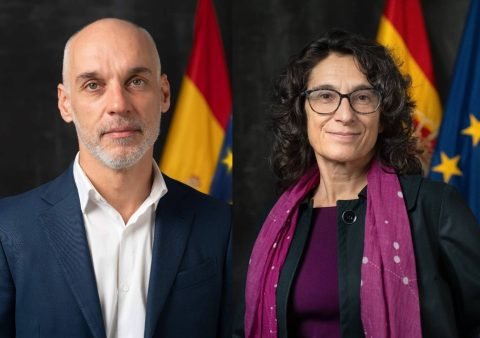
New RENFE President Inmaculada Gutiérrez Carrizo was previously Director General of the operator’s international arm, RENFE Proyectos Internacional. With an academic background in economics and business studies, she has been a long term supporter of market liberalisation; she led RENFE’s acquisition of a stake in Czech open access operator Leo Express in 2021.
Gutiérrez had previously sat on Spain’s competition tribunal and the board of the national competition commission; she also served as Spain’s economic and commercial counsellor in the US. Like Cuerpo, she is a member of the Cuerpo Superior de Técnicos Comerciales y Economistas del Estado, the civil service corps of state trade and economic specialists.
Puente steps down as Spanish Transport Minister after announcing proposed safety measures
Last man standing
Gutiérrez takes over from Álvaro Fernández Heredia, the last of the three men at the top of the Spanish rail sector to depart after Puente and ADIF President Luis Pedro Marco de la Peña. Fernández was finally removed on November 13 following the Urda collision and the chaotic operating problems affecting the Rodalies de Catalunya suburban network around Barcelona and the matching Cercanías network in Madrid.
He had also been criticised for supporting recent drivers’ strikes, given the impact these had had on the reputation of the transport ministry. Called by drivers’ union Semaf for November 17 and 23, the strikes were a protest against what the workers said was a lack of safety measures on Spain’s conventional rail network. The union said the network was suffering from two decades of underinvestment in maintenance, as were many of the trains. As of the time of publishing, talks between Semaf and the ministry had yet to produce a settlement, despite a government decree on safety measures being approved on November 10.
As if to drive home the point, an SNCF-owned Captrain España freight train was derailed after running into a landslip in the early hours of November 15, at the eastern portal of No 2 tunnel between Zarzalejo and Robledo de Chavela stations, not far from El Escorial on the busy Madrid – Ávila main line. The driver was reported to be slightly injured and the route was closed to all traffic while the Class 256 locomotive was recovered. Central Spain had endured a couple of days of heavy rain, which was deemed the probable cause of the landslip. Although the derailed locomotive was fouling both tracks, it was fortunately possible to halt all traffic before any collision.
ADIF changeover
The new ADIF President is Joaquim Hortalà i Vallvé, who took over following the resignation of Luis Pedro Marco de la Peña on November 4. Hortalà was RENFE Secretary General from April 2024 until July, when he left following an apparent disagreement with Fernández Heredia’s management. A lawyer by training, he joined the state legal service in 2004 and worked as a state attorney at the then Ministry of Public Works in 2010-11. From 2013 to 2021 he held senior legal posts at Spain’s competition and markets regulator CNMC, latterly as secretary to its board. That body, which also regulates the rail sector, had come under regular attack from Puente, who had ‘never been a fan’ of liberalisation, notably for letting Iryo and Ouigo ‘parasitise’ RENFE’s workshops. Between 2022 and 2024 Hortalà was legal director of Spain’s banking resolution authority, the Fondo de Reestructuración Ordenada Bancaria.
Further transport shake-ups
On November 10 Cuerpo removed the Director of the Minister’s Office, Encarnación Sandonis, who was said to be one of Puente’s closest advisers. However, El Español reports that she has been kept on as a senior adviser. A journalist by training, she had held the same post under Puente at Valladolid City Council during his time as mayor from 2015 to 2023. Her replacement is Jorge Fabra Portela, a state economist who until February 2024 was Director General of the Recovery & Resilience Plan, which channeled Spain’s share of the EU’s post-pandemic recovery funds. His academic background is in economics, including a master’s degree from the University of Essex.
For an analysis of what the shake-up could mean for Spain’s freight sector, from ADIF’s 2026-30 funding agreement to the stalled RENFE Mercancías – Medway joint venture, visit Railway Gazette’s sister publication RailFreight.com.
Renfe updates safety protocol as investigators analyse Urda collision
Source: Railway Gazette