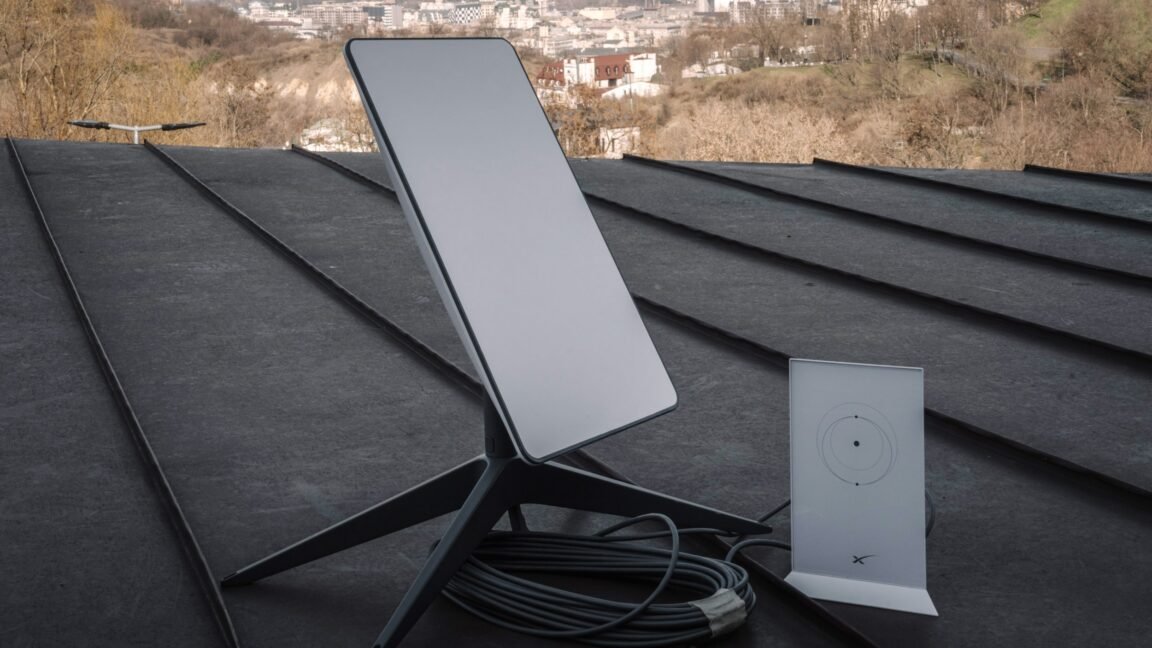
A Starlink satellite-internet communication system antenna and router on a rooftop in Kyiv, Ukraine, on Tuesday, March 11, 2025. European Defense Commissoiner Andrius Kubilius expressed confidence that the EU would be able to replace the Starlink satellite communications system quickly in Ukraine if owner Elon Musk were to pull the plug. Photographer: Andrew Kravchenko/Bloomberg
It was the most simple of questions. On Monday afternoon, during a NASA news conference about the International Space Station, Space News reporter Jeff Foust asked about an upcoming launch of a Russian spacecraft. "It's my understanding there's another cargo mission going to the ISS this week, a Russian Progress," Foust said. "Can you confirm that, and give the date and time that will launch?" This Progress MS-36 cargo launch, mind you, is presently scheduled for fewer than 16 hours from now, at 10:13 UTC (05:13 am ET) on Tuesday. It is going to a space station co-operated by the US space agency. But no, NASA would not provide this basic information about the upcoming Progress launch.Read full article Comments
“It costs what it costs” is a mindset I’ve found useful when encountering a sizable, but highly necessary or desired, expense. The sentiment encourages me to accept the price because that’s the accepted value of the gadget, app, or service that I really need or want. But with surveillance pricing, that comfort is no longer a given. I could end up paying more for my TV because of where I am or more for a software subscription because of my age. Surveillance pricing leverages data collected from our web history, smart devices, and apps with the goal of getting us to pay more. That obfuscates the value of products, challenges smart shopping and budgets, and makes it harder for people to get the products and services at a fair price.Read full article Comments
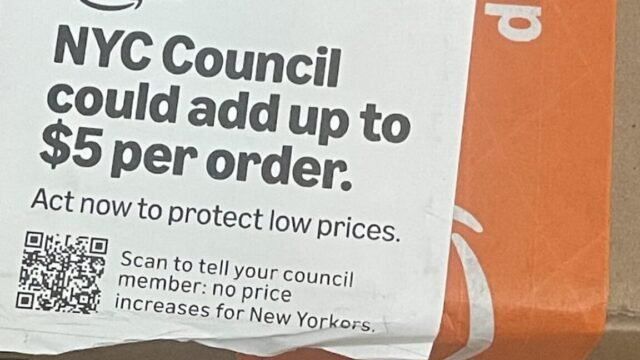
Amazon is placing a sticker on some of its delivery boxes to urge customers to oppose a New York City bill. This weekend, some Amazon shoppers reported getting a delivery from Amazon with a sticker on it that reads: “NYC Council could add up to $5 per order. Act now to protect low prices.” The sticker reportedly includes a QR code that leads to a link for contacting NYC Councilmembers. The sticker encourages the package’s recipient to “Scan to tell your council member: no increases for New Yorkers.” Amazon is looking to stoke opposition to Introduction 0518-2026 (518), also known as the Delivery Protection Act. The proposed law would require Amazon and other companies with last-mile delivery facilities in the city, such as FedEx, to directly employ third-party contractors Amazon uses for making deliveries.Read full article Comments